
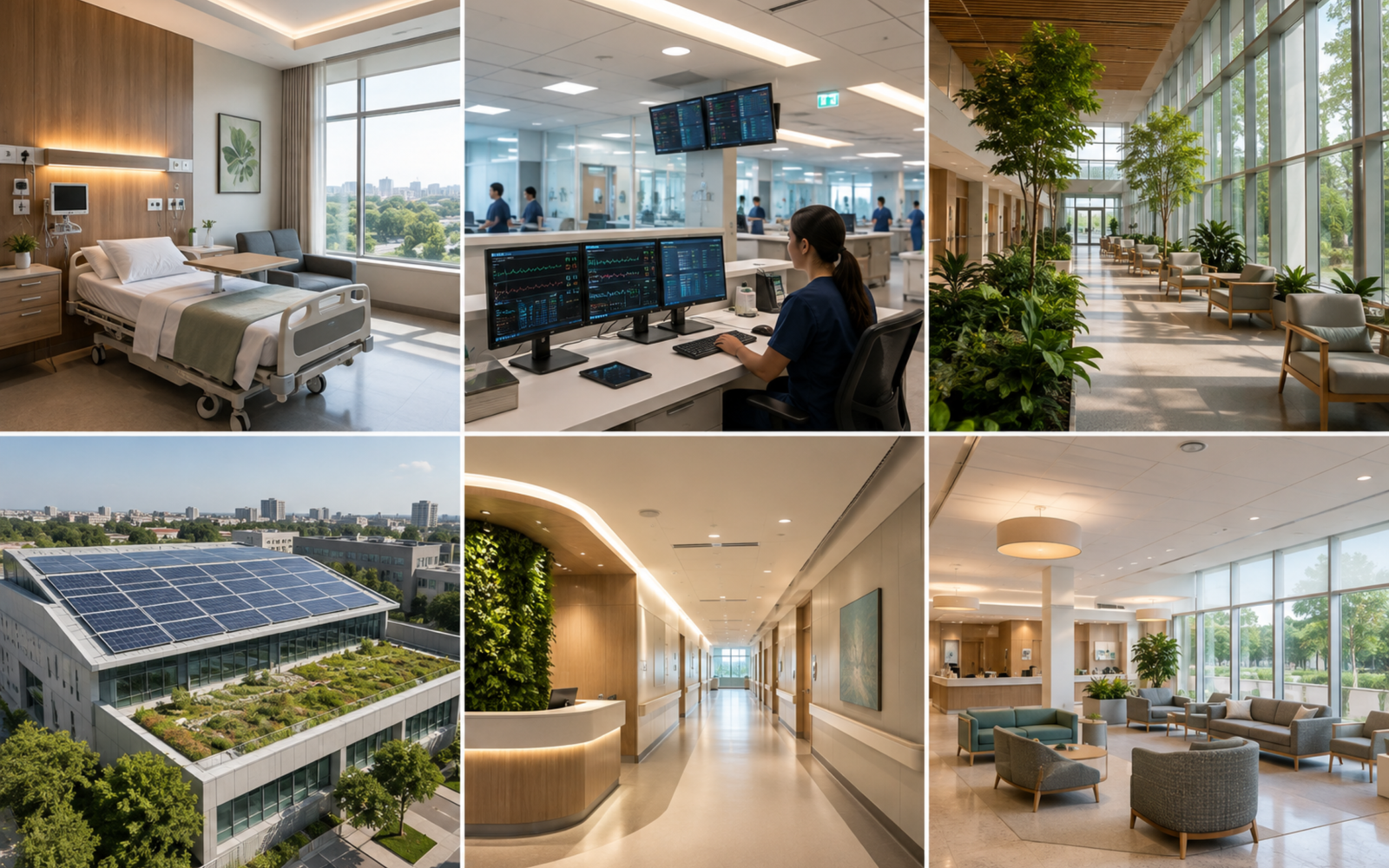
Healthcare facilities are no longer viewed solely as places for medical treatment. Today’s hospitals are evolving into patient-centered environments designed to promote healing, reduce stress, improve operational efficiency, and enhance overall healthcare outcomes. As patient expectations continue to rise and medical technologies become more advanced, hospital design has transformed into a strategic discipline that combines architecture, engineering, psychology, and healthcare planning.
Modern hospital design focuses on creating spaces that are welcoming, efficient, sustainable, and adaptable to future healthcare needs. Thoughtful architecture not only improves patient comfort but also supports medical staff, streamlines workflows, and enhances the quality of care delivered.
At RY Hospital Projects, we believe that innovative healthcare architecture plays a critical role in shaping better patient experiences and improving hospital performance.
The Shift Toward Patient-Centric Hospital Design
Traditional hospitals often prioritized functionality over comfort. However, research has shown that the physical environment significantly influences patient recovery, satisfaction, and emotional well-being.
Modern healthcare facilities are now designed around patient needs by incorporating:
- Comfortable interiors
- Natural light
- Reduced noise levels
- Easy navigation
- Family-friendly spaces
- Enhanced privacy
Patient-centric hospital design aims to create healing environments that support both physical and emotional recovery while reducing anxiety and stress associated with medical treatment.
Key Hospital Design Trends Transforming Healthcare Facilities
1. Healing Architecture and Evidence-Based Design
One of the most significant trends in modern hospital architecture is the adoption of evidence-based design principles.
Evidence-based design uses scientific research to create environments that positively impact patient outcomes.
Key features include:
- Access to natural daylight
- Views of nature
- Reduced environmental stressors
- Comfortable patient rooms
- Improved indoor air quality
Studies have shown that patients exposed to natural elements often experience shorter recovery periods and improved psychological well-being.
Benefits of Healing Architecture
|
Feature |
Patient Benefit |
|---|---|
|
Natural Light |
Improved mood and recovery |
|
Green Views |
Reduced stress and anxiety |
|
Quiet Spaces |
Better rest and healing |
|
Comfortable Interiors |
Enhanced patient satisfaction |
|
Improved Air Quality |
Healthier indoor environment |
2. Single-Patient Rooms for Privacy and Comfort
Modern hospitals are increasingly replacing shared wards with private patient rooms.
Single-patient rooms offer numerous advantages:
- Enhanced privacy
- Better infection control
- Reduced noise
- Improved patient dignity
- Increased family involvement
Private rooms create a more personalized healthcare experience while supporting infection prevention efforts and improving patient satisfaction scores.
3. Biophilic Design and Nature Integration
Biophilic design is becoming a cornerstone of healthcare facility planning.
This architectural approach incorporates natural elements into the built environment to strengthen the connection between people and nature.
Common Biophilic Features
- Healing gardens
- Indoor plants
- Green walls
- Water features
- Courtyards
- Large windows
These features help create calming environments that reduce stress for patients, visitors, and healthcare professionals alike.
4. Smart Hospital Technologies
Technology is revolutionizing healthcare infrastructure design.
Modern hospitals are integrating smart systems that improve efficiency, patient safety, and operational performance.
Smart Design Features
- Automated patient monitoring
- Smart room controls
- Digital wayfinding systems
- Touchless technology
- Integrated building management systems
- Real-time asset tracking
These technologies not only improve patient experiences but also streamline hospital operations and reduce administrative burdens.
5. Flexible and Future-Ready Spaces
Healthcare requirements are constantly evolving. Hospitals must be designed to adapt to future technologies, patient demands, and public health emergencies.
Flexible hospital design includes:
- Modular infrastructure
- Expandable departments
- Adaptable treatment areas
- Multi-purpose clinical spaces
Why Flexibility Matters
|
Design Strategy |
Advantage |
|---|---|
|
Modular Construction |
Faster expansion |
|
Adaptable Rooms |
Improved space utilization |
|
Scalable Infrastructure |
Future technology integration |
|
Flexible Layouts |
Operational resilience |
Future-ready hospitals can quickly respond to changing healthcare needs without extensive renovations.
6. Enhanced Wayfinding and Navigation
Large healthcare facilities can be overwhelming for patients and visitors.
Modern hospital planning prioritizes intuitive navigation systems that help users move efficiently throughout the facility.
Effective Wayfinding Solutions
- Clear signage
- Color-coded departments
- Digital navigation kiosks
- Mobile wayfinding applications
- Logical circulation routes
Easy navigation reduces stress and improves overall patient experiences from arrival to discharge.
7. Human-Centered Interior Design
Hospital interiors are becoming more hospitality-inspired.
Rather than sterile, institutional environments, modern healthcare spaces feature:
- Warm color palettes
- Comfortable furnishings
- Artwork and décor
- Hotel-style patient rooms
- Welcoming waiting areas
Human-centered interiors help create a more comfortable and reassuring environment for patients and their families.
Sustainable Hospital Design: A Growing Priority
Sustainability has become a major focus in healthcare architecture.
Hospitals operate continuously and consume significant energy and resources. Green building strategies help reduce environmental impact while lowering operating costs.
Sustainable Design Features
- Energy-efficient HVAC systems
- Solar power integration
- Water conservation systems
- Natural ventilation
- Sustainable building materials
- Waste management solutions
Benefits of Sustainable Healthcare Infrastructure
| Sustainability Measure | Benefit |
|---|---|
|
Energy Efficiency |
Lower operational costs |
|
Green Materials |
Improved indoor health |
|
Water Conservation |
Resource optimization |
|
Renewable Energy |
Reduced carbon footprint |
|
Smart Systems |
Better building performance |
Sustainable hospitals support environmental responsibility while creating healthier indoor environments.
Designing for Staff Well-Being
A successful hospital design must support healthcare professionals as much as patients.
Medical staff often work long shifts under stressful conditions. Thoughtful architectural planning can improve staff comfort, productivity, and job satisfaction.
Staff-Focused Design Features
- Dedicated break rooms
- Natural lighting in workspaces
- Ergonomic workstations
- Quiet zones
- Efficient circulation paths
- Collaborative work areas
When healthcare professionals work in supportive environments, patient care quality often improves as well.
Infection Prevention Through Design
The COVID-19 pandemic highlighted the importance of infection-resistant healthcare environments.
Modern hospital architecture incorporates numerous infection control measures, including:
- Touchless fixtures
- Antimicrobial materials
- Isolation rooms
- Advanced HVAC systems
- Controlled patient flow
- Dedicated infection control zones
These design strategies contribute to safer healthcare environments for patients, visitors, and staff.
The Role of Digital Healthcare Spaces
Telemedicine and virtual healthcare services are reshaping hospital planning.
Today’s hospitals increasingly include:
- Teleconsultation rooms
- Digital diagnostic centers
- Remote monitoring stations
- Virtual collaboration spaces
As digital healthcare adoption grows, hospitals must integrate technology-enabled spaces into their overall infrastructure strategy.
Future Trends in Hospital Design
The next generation of healthcare facilities will likely feature:
- AI-powered hospital systems
- Smart patient rooms
- Predictive maintenance technologies
- Robotic logistics systems
- Net-zero energy buildings
- Advanced modular construction
Hospitals that embrace these innovations will be better positioned to meet future healthcare challenges while delivering superior patient experiences.
Conclusion
Modern hospital design goes far beyond aesthetics. It is about creating environments that promote healing, improve operational efficiency, support healthcare professionals, and enhance patient satisfaction. From biophilic architecture and smart technologies to sustainable infrastructure and flexible spaces, thoughtful healthcare design plays a vital role in delivering better medical outcomes.
At RY Hospital Projects, we specialize in creating innovative healthcare facilities that combine functionality, safety, sustainability, and patient-centered design. Our expertise in hospital planning and healthcare architecture helps organizations build future-ready facilities that meet the evolving demands of modern healthcare.
Frequently Asked Questions (FAQs)
1. What is patient-centric hospital design?
Patient-centric hospital design focuses on creating comfortable, safe, and healing environments that improve patient experiences and recovery outcomes.
2. Why is natural light important in hospital design?
Natural light helps reduce stress, improve mood, support recovery, and create a healthier indoor environment.
3. What is biophilic design in healthcare facilities?
Biophilic design integrates natural elements such as plants, gardens, and daylight into hospital environments to promote healing and well-being.
4. How do smart technologies improve hospital operations?
Smart technologies enhance efficiency through automation, patient monitoring, digital navigation, and integrated building management systems.
5. Why is flexibility important in modern hospital design?
Flexible healthcare spaces allow hospitals to adapt to changing technologies, patient needs, and future healthcare challenges without major renovations.